Links to Hashd0x app on mobile app stores:

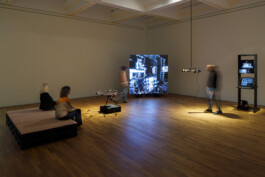
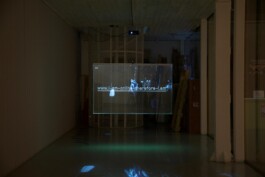
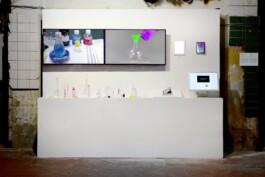
Cryptomania, Zeppelin Museum, Friedrichshafen, DEU, 2023

Cryptomania, Zeppelin Museum, Friedrichshafen, DEU, 2023

Cryptomania, Zeppelin Museum, Friedrichshafen, DEU, 2023

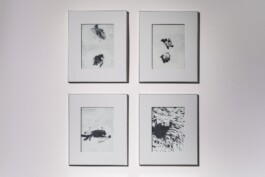
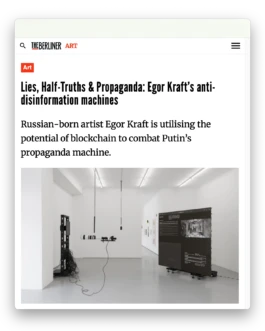
Lies, Half-Truths & Propaganda [The Bad, the Worse, and the Worst], solo show, alexanderlevy Gallery, Berlin, DEU, 2022.
The Premise
We may want to build tools that are not only capable of computing virtually anything, but also those capable of computing conditions to preserve truth.
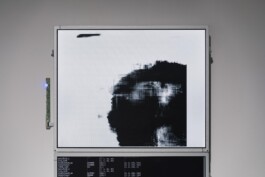
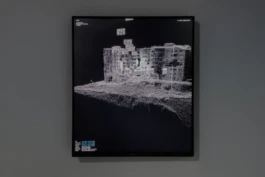
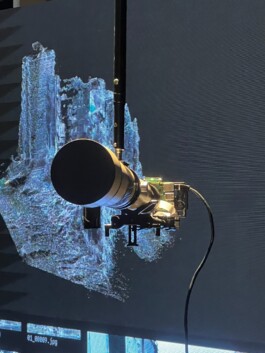
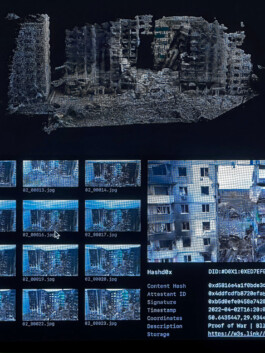
Hashd0x (spelled hæʃdɑːks) is a tactical software initiated by the artist in cooperation with a group of hactivists & software engineers. It is designed to combat disinformation by allowing instant & spoof-proof on-chain evidence capture and forensics tools through the registration of metadata and content hashing. The video-installation, called "Proof of War," features a film and custom-designed hand- and drone-operated cameras that utilize the software to capture a 3D model of the remnants of a house in the infamous Bucha Raion, a district in the Kyiv region. The images & videos used to create the photogrammetric 3D scan are hashed, registered, and stored on-chain using hashd0x’s decentralized application (dApp). These records will be stored as blockchain data across a vast network of computers for potentially countless years, serving as a digitally sculpted memorial to the atrocities of present-day war crimes, forever preserved in our digital archives, uncorrupted, uncensored, and time-stamped.
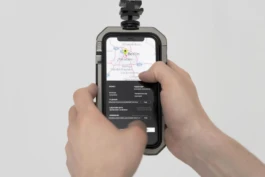
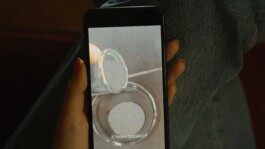
↑ Hashd0x app (already deployed and tested) for capturing images, generating hash (unique identification code of the image), storing it on blockchain and sharing the image file on the network.

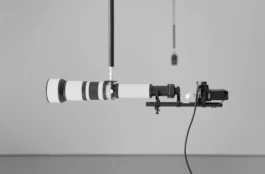
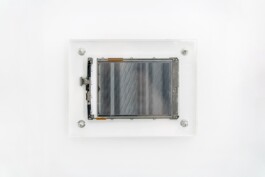
↑ The custom-made camera based on Raspberry Pi allows shooting images and store them on the Blockchain.
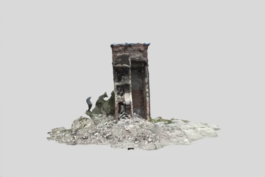
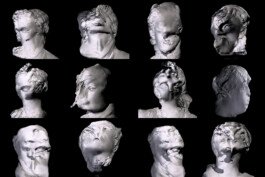
↑ The model is reconstructed from photographic evidence captured using Hashd0x. Time, location, authorship and each pixel are indisputable as they are captured on-chain.
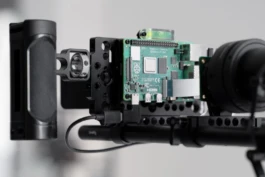
↑ Raspberry Pi computer calculates the image hash and stores it on Blockchain.
Hashd0x Decentralised App
Hashd0x [spelled hæʃdɑːks] came about as a technical and tactical proposal aimed to address common strategies of mis- and disinformation at the core of ongoing info warfare. At the point of recording this, hashd0x comprises a series of software and hardware prototypes. The software undergoes development towards a protocol for computationally driven investigations. Its design revolves around peer-to-peer, decentralised, user-owned, blockchain-based and serverless computing, allowing to record and verify provenance of still or moving images via hashing their metadata on-chain; this allows making informed assumptions on authenticity of examined imagery. To achieve this images or videos are captured via a dedicated digital camera or a mobile app; as the digital files are recorded onto devices’ flash storage, their content & metadata, including timestamp, signature & algorithmically assigned unique hash values are simultaneously recorded onto public blockchains. These blockchains are publicly owned databases, distributed across individual computer-nodes synced with each other and scattered across a planetwide variety of geographic locations.
Links to Hashd0x app on mobile app stores:
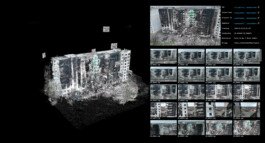
↑ This diagram illustrates the Hashd0x pipeline: a decentralized, tamper-proof workflow for capturing, hashing, verifying, and storing photographic and video evidence on public blockchains. The process begins with image and video capture via the Hashd0x client integrated into cameras or drones. Each frame or file is immediately processed through a cryptographic hash function, producing a unique digital fingerprint (hash) that represents the content’s exact state at the moment of capture. This fingerprinting step ensures immutable identification of the media, even a single pixel change would result in a different hash value.

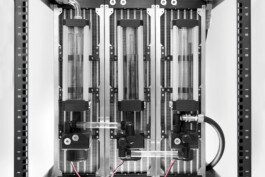
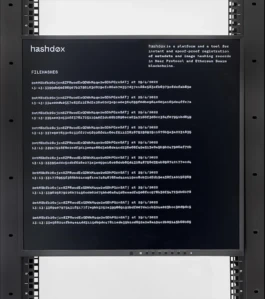
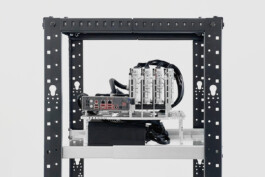
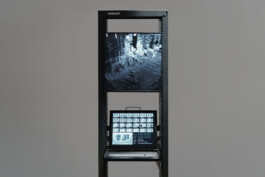
↑ Hashd0x physical infrastructure: a rack of networked hardware, servers, and connected equipment that supports the decentralized verification and anchoring layer of the Hashd0x system.
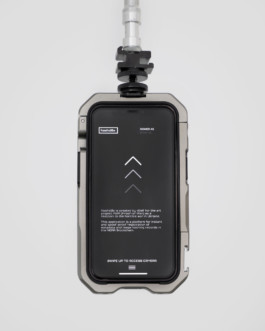
↑ Hashd0x app.
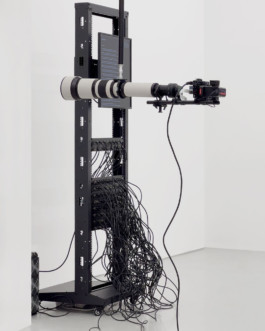
↑ A custom-made camera based on Raspberry Pi allows shooting images and store them on Blockchain. Raspberry Pi computer calculates the image hash and stores it on Blockchain.
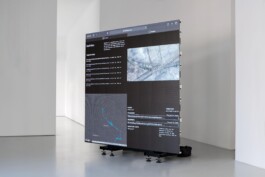
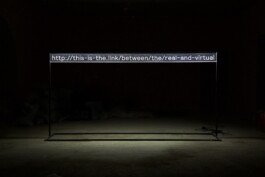
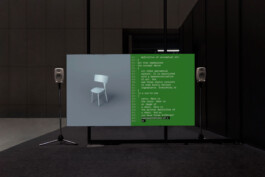
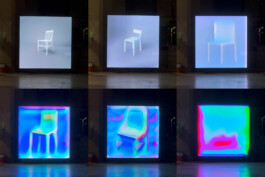
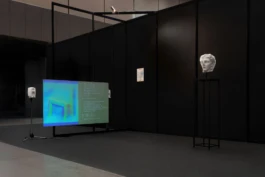
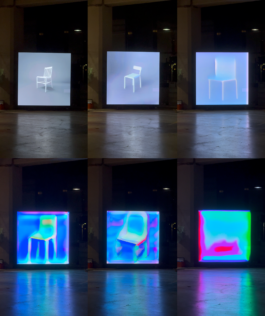
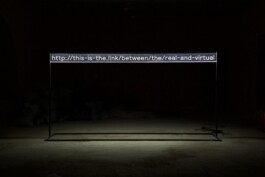
↑ LED Screen with the visualization of the Hashd0x pipelines, explaining the algorithm of image verification.
Research Question
The internet enables information ecology at scale. The concept of scale is inherent in the design and engineering of web-based software. In the context of information warfare, this scale is often abused to engineer wide-spreading false narratives. These narratives aim to cause fear, confusion, villainization, or victimization of involved actors, groups, or sometimes entire nations. Let us be reminded that the internet is a relatively recent information ecosystem, enabled via an infrastructure of interconnected servers ingeniously engineered to transmit information. The nature of these information logistics was intentionally and justly created to be agnostic to the content it carries, neutrally allowing it to scale as designed.
Infrastructures of computing robust models of trust (or rather trust-less), namely blockchains, are layers of distributed computing-infrastructures built on top of the internet, addressing what its fundamental protocol designed to do or not to do. This basis protocol is called TCP/IP, which stands for Transmission Control Protocol/Internet Protocol.
These collective-computing layers, that we call blockchains, situated on top of the existing internet-protocol, enable a whole layer of complexity. They find forms of sophisticated protocols that compute scarcity, where it was previously absent by design.
Others compute entire ontologies, discrete entities and properties such as ownership, transferability, immutability and more.It is noteworthy that in the context of Hashd0x, such networks have demonstrated their efficacy in computing conditions to verify and instil confidence. The assured reliance within these networks is maintained via so-called, ‘trust-less’, information ecologies, in which nobody needs to trust because anyone can verify. Such verifiability of records is achieved through architectures of self-executing processes within transparent, programmable, collectively hosted and computed environments. This allows us to reassess our believes in what constitutes knowledge within today's technological condition of information infrastructures.
In Plato's epistemological formulation, knowledge is justified true belief. A belief is any claim that you accept. A true belief is any claim you accept that corresponds to how things are in the world, and a justified true belief is a true belief that has proper evidence.
In Plato's account, the entire premise of Hashd0x's proposal can be formulated as an attempt to build tools unlike many existing, capable of computing virtually anything. But those tools capable of computing conditions to present and store knowledge as a justified a true belief.
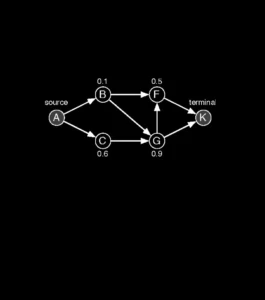
↑ Decentralised backends.
Cryptographic commitments to content, metadata and the identity of the attestant, offline, self-signed, optimized for indexing on blockchains.

↑ Hardware stack.
Raspberry Pi, Raspberry Pi camera module, Nikon mount type telescopic lens, custom-built LED panel modular screen, server rack / RJ45 cables, Patch panels, smartphone.
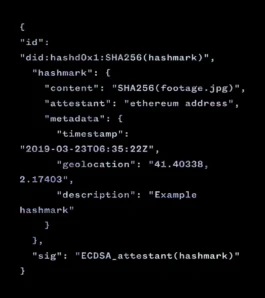
↑ Hashmark.
Cryptographic commitments to content, metadata and the identity of the attestant, offline, self-signed, optimized for indexing on blockchains.
↑ Social validation.
Tamper-proof and censorship-resistant, online timestamp service, new sustainability mechanisms (e.g. DAOs).
Hashmark Proposal
This tactical proposal suggests the notion of hashmark, a p2p version of watermark designed for our computationally augmented information ecology. Hashmark is intended to augment the computational ontology of an image and extend professional technics of open source investigation. The latter is a form of professional social practice emerging to address these complex issues via data-driven digital examination practices. Hashmarks provide a set of data points allowing to address and distinguish factual evidence from fabricated content. Examples of such forms of disinformation are widely observed across social media feeds, i.e. Telegram channels, X (formerly Twitter) feeds and other platforms in which the imagery captured by witnesses of wars or other critical events circulates along with fictitious, often Ai-generated imagery.



































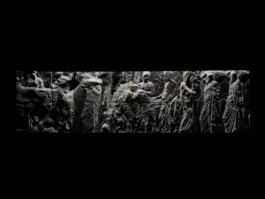


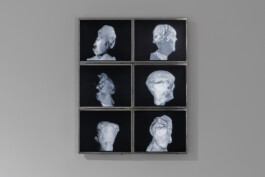
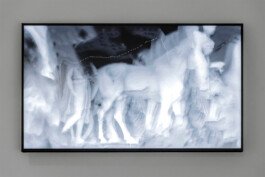
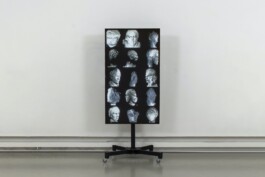


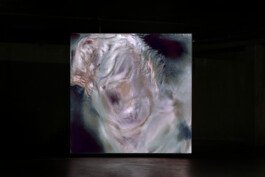

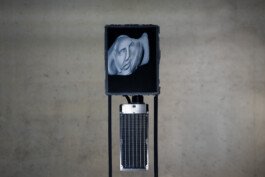



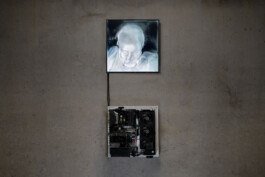
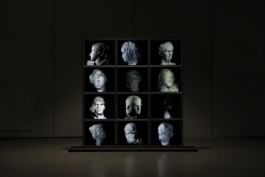












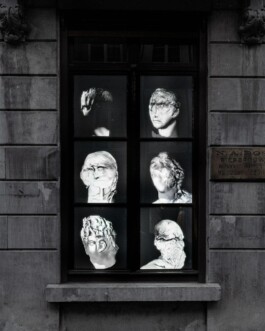




















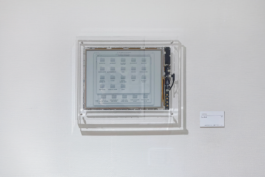
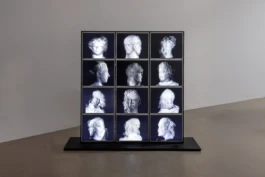



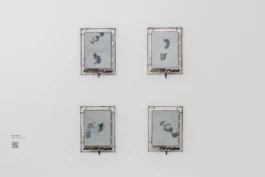
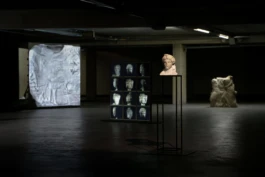









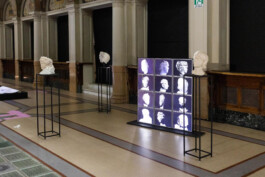
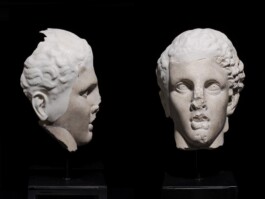
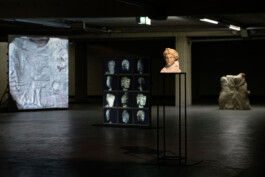

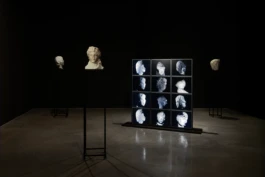




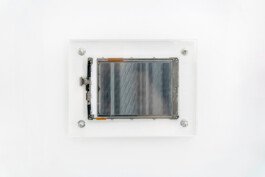







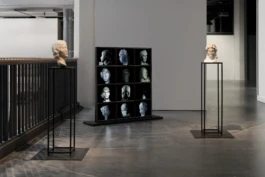

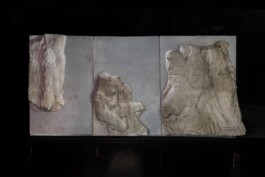



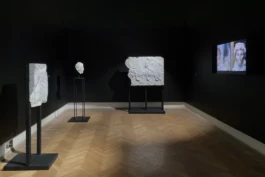

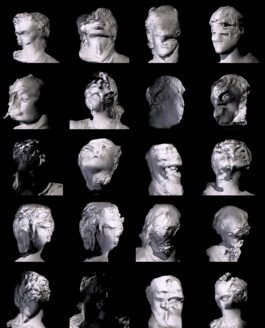


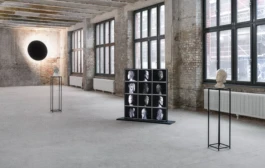



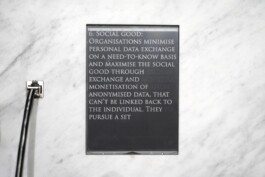


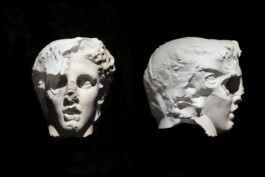







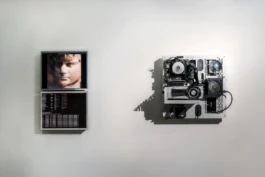
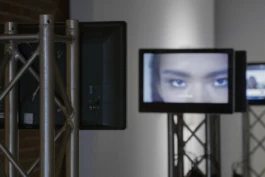




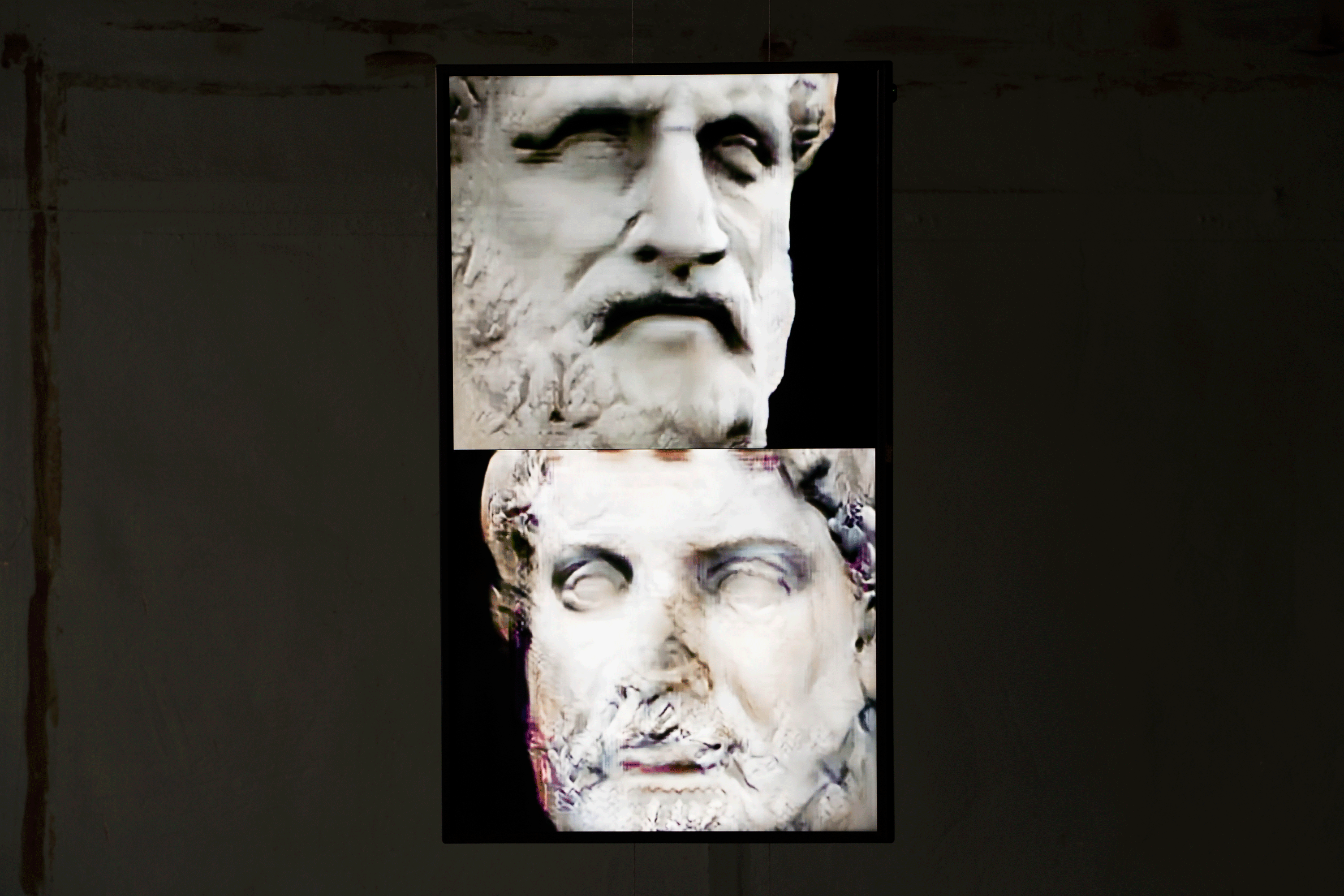



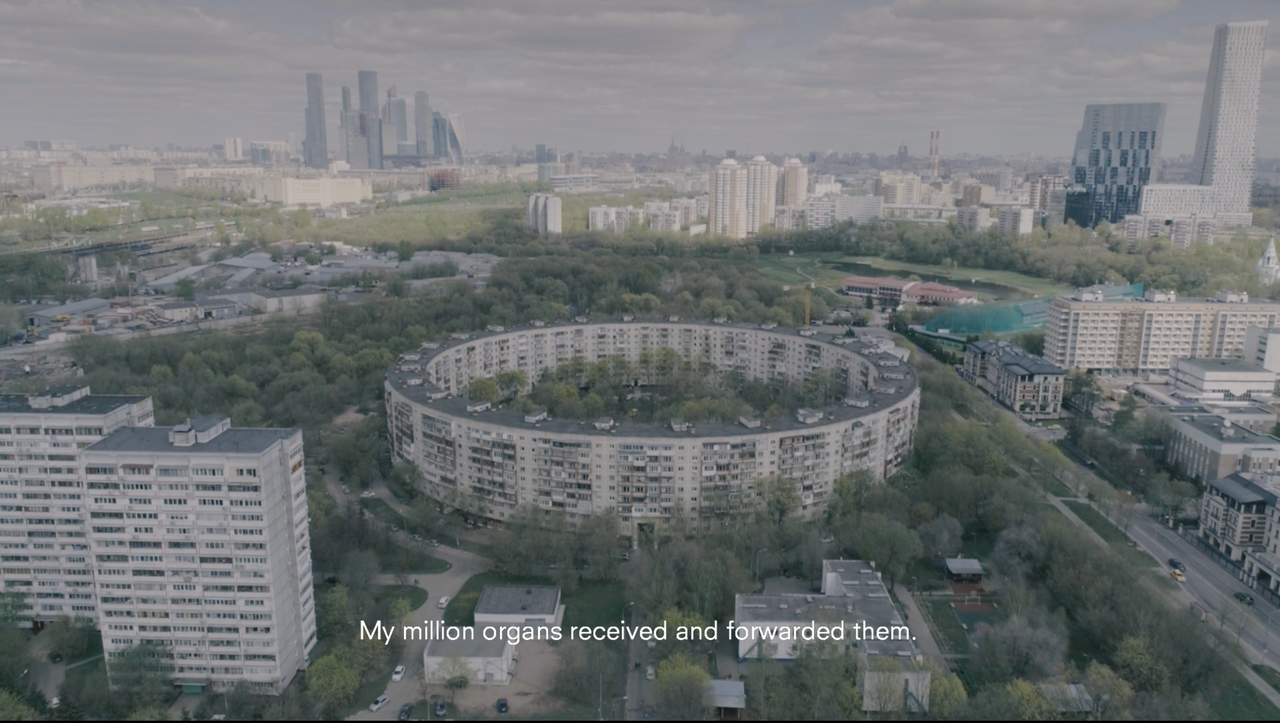







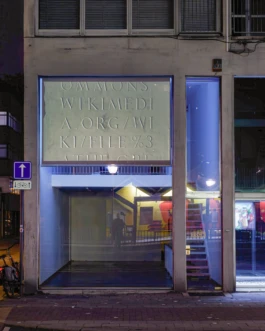
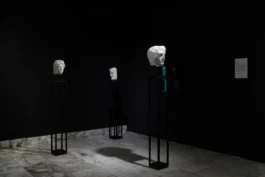


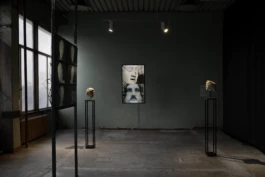






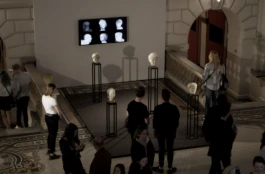



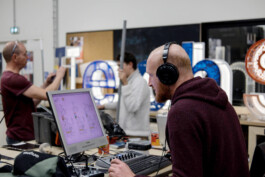

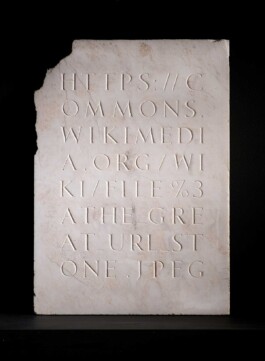
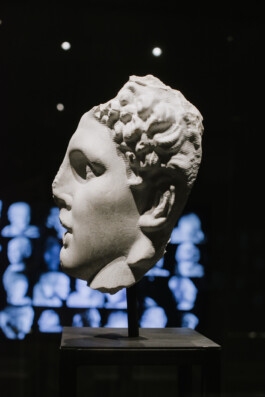


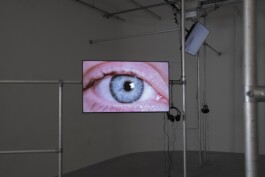

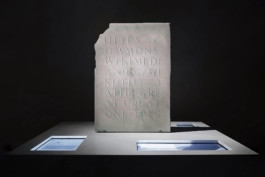

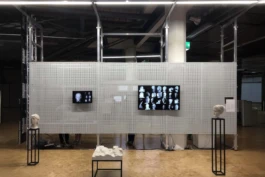





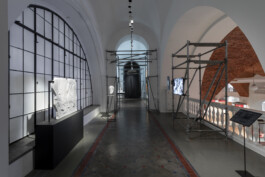

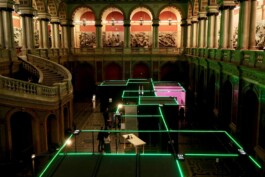

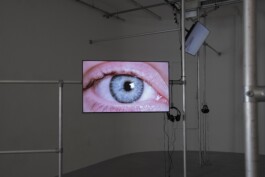











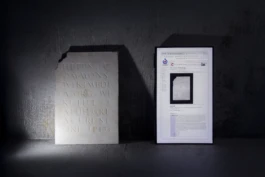












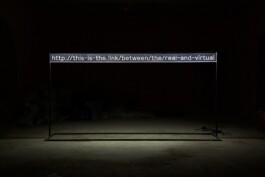
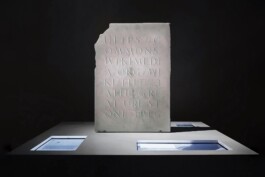




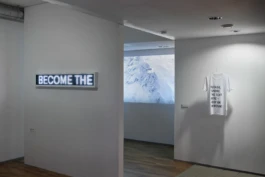





























Cryptomania, Zeppelin Museum, Friedrichshafen, DEU, 2023
Cryptomania, Zeppelin Museum, Friedrichshafen, DEU, 2023
Cryptomania, Zeppelin Museum, Friedrichshafen, DEU, 2023
↑ Hashd0x physical infrastructure: a rack of networked hardware, servers, and connected equipment that supports the decentralized verification and anchoring layer of the Hashd0x system.
↑ The custom-made camera based on Raspberry Pi allows shooting images and store them on the Blockchain.
↑ The model is reconstructed from photographic evidence captured using Hashd0x. Time, location, authorship and each pixel are indisputable as they are captured on-chain.
↑ Hashd0x app (already deployed and tested) for capturing images, generating hash (unique identification code of the image), storing it on blockchain and sharing the image file on the network.
↑ Raspberry Pi computer calculates the image hash and stores it on Blockchain.
↑ Decentralised backends.
Cryptographic commitments to content, metadata and the identity of the attestant, offline, self-signed, optimized for indexing on blockchains.
↑ Hardware stack.
Raspberry Pi, Raspberry Pi camera module, Nikon mount type telescopic lens, custom-built LED panel modular screen, server rack / RJ45 cables, Patch panels, smartphone.
↑ Hashmark.
Cryptographic commitments to content, metadata and the identity of the attestant, offline, self-signed, optimized for indexing on blockchains.
↑ Social validation.
Tamper-proof and censorship-resistant, online timestamp service, new sustainability mechanisms (e.g. DAOs).
↑ LED Screen with the visualization of the Hashd0x pipelines, explaining the algorithm of image verification.
↑ Hashd0x app.
↑ A custom-made camera based on Raspberry Pi allows shooting images and store them on Blockchain. Raspberry Pi computer calculates the image hash and stores it on Blockchain.